Implemented by the Nursing & Midwifery Council of Nigeria
Strengthening Nigeria's Nursing & Midwifery Workforce for Better Maternal and Newborn Health
The Midwives Mobilization & Redeployment Scheme (MMRS) is a national programme of the Nursing & Midwifery Council of Nigeria, strategically mobilising licensed midwives to high-need communities to strengthen skilled attendance at birth and reduce maternal and newborn mortality across all 36 states and FCT.
20%
Target Increase in Skilled Birth Attendant-Attended Deliveries by 2029
10,000+
Midwives Targeted for Deployment by 2029
36
States — National Coverage Mandate
These Numbers Are Why MMRS Exists
Behind every statistic is a mother who deserved skilled care. These are the lives MMRS is built to protect.
Maternal Mortality Ratio
512
deaths per 100,000 live births
Still among the world's highest — target is 411 by 2030
Source: NDHS 2018 / SWAp target
Annual Maternal Deaths
~42,000
mothers die in Nigeria each year
5 mothers die every hour — unacceptably high
Source: NDHS / SWAp estimate
Annual Newborn Deaths
~334,000
newborns die annually in Nigeria
38 newborns die every hour — neonatal rate stagnant since 2008
Source: ENAP / Countdown 2030
Skilled Birth Attendance
52%
of deliveries attended by skilled staff
Nearly half of all births still lack skilled care
Source: 2023–24 NDHS
Antenatal Care Coverage
63%
coverage for 4+ antenatal contacts
Declined since 2018 — still below the 64.1% national target
Source: 2023–24 NDHS
Zero-dose Children
30%
of children receive no basic vaccines
Increased from 19% in 2018 — actively worsening
Source: 2023–24 NDHS
Sources: 2023–24 Nigeria Demographic and Health Survey (NDHS) · Sector-Wide Approach (SWAp) Blueprint · ENAP / Countdown 2030 · National Population Commission of Nigeria
The Imperative
Why MMRS Exists
The shortage and uneven distribution of skilled midwives is a national emergency. MMRS is Nigeria's strategic answer to a crisis that claims thousands of lives every year.
Uneven Distribution of Skilled Midwives
Nigeria's skilled birth attendants are heavily concentrated in urban and southern states, leaving millions of women in northern and rural communities without access to skilled care during labour and delivery.
Weak Primary Healthcare Infrastructure
Many primary healthcare centres lack qualified personnel and adequate clinical skills to manage obstetric complications. Strengthening PHC staffing is the single most impactful intervention available.
Inequitable Access to Skilled Attendance
Women in underserved communities face geographic, financial and social barriers to skilled care. Without deliberate national intervention, the gap between urban and rural maternal outcomes will continue to widen.
MMRS: Nigeria's Strategic Response
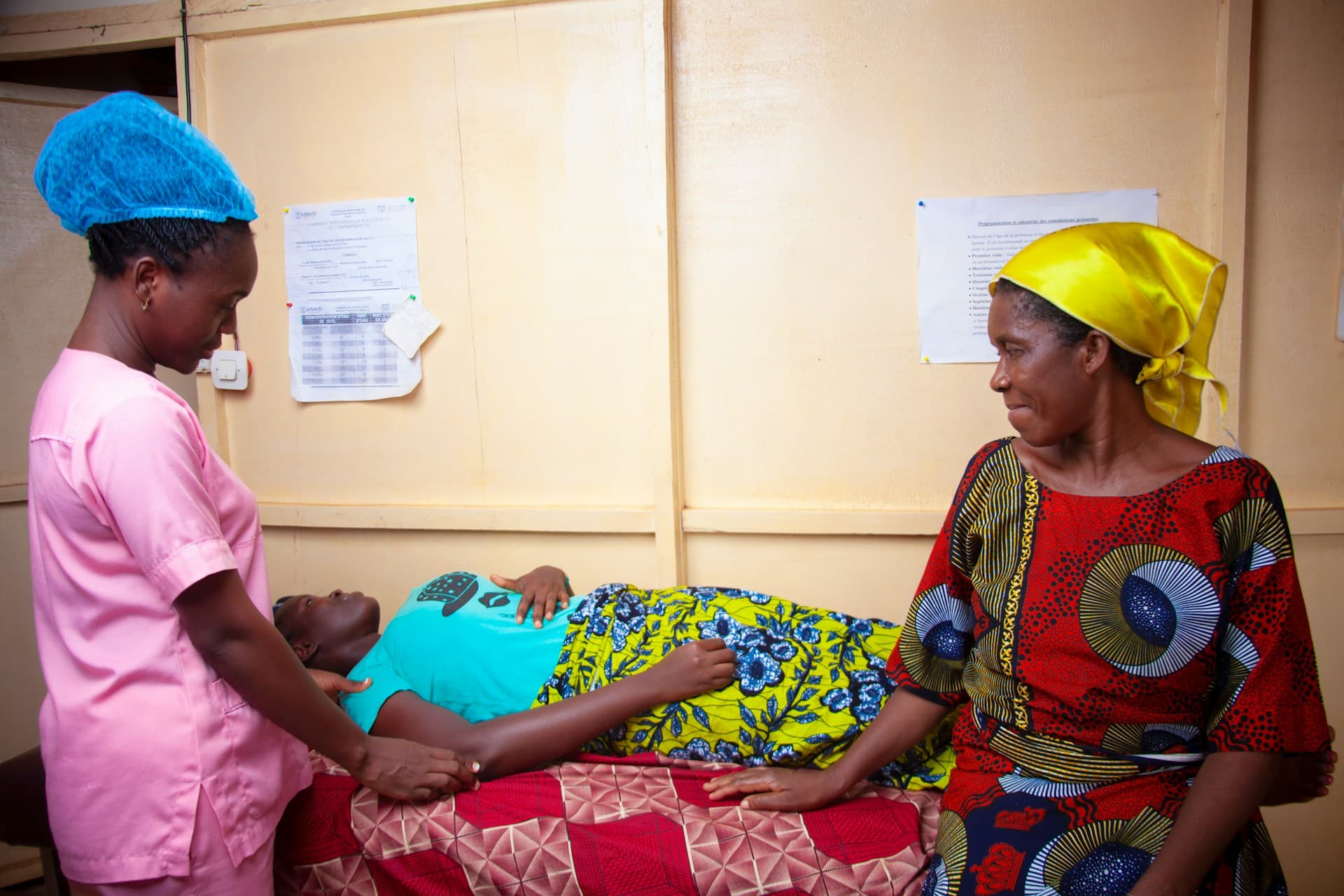
MMRS recruits, trains and deploys licensed nurses and midwives to high-burden facilities — prioritising PHC centres in underserved communities — where their presence directly reduces preventable maternal and neonatal deaths.
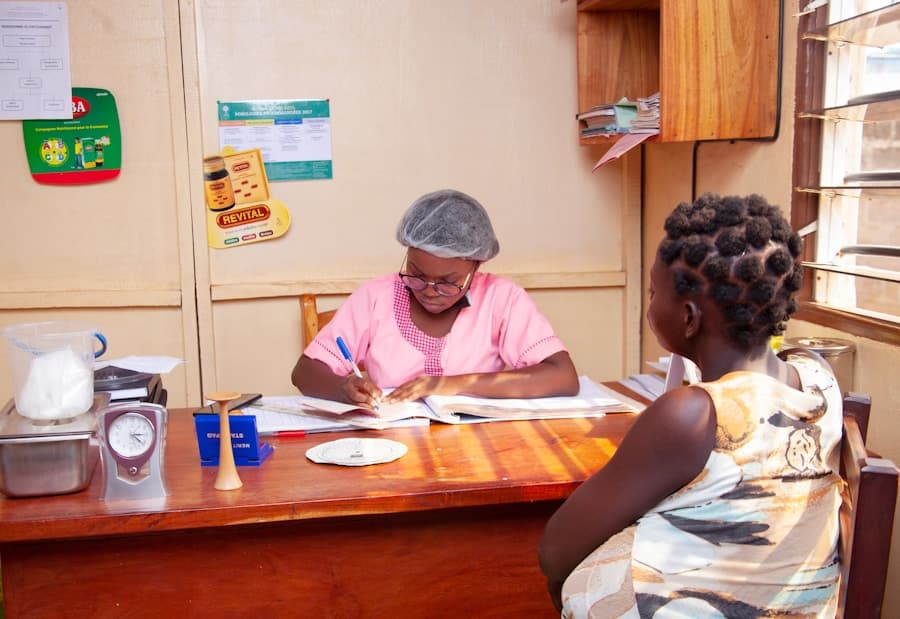
63% ANC coverage — below the 2030 target
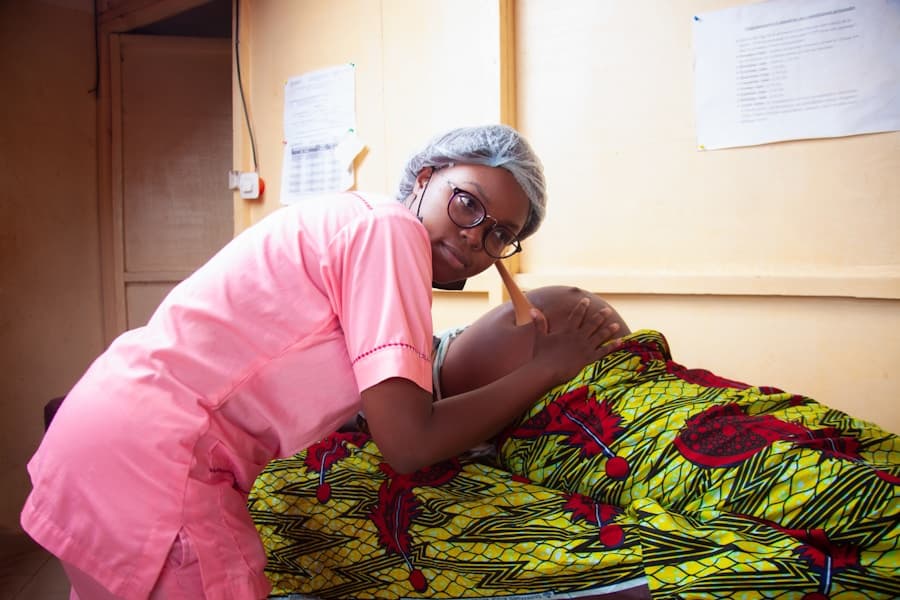
Thousands of communities still without skilled care
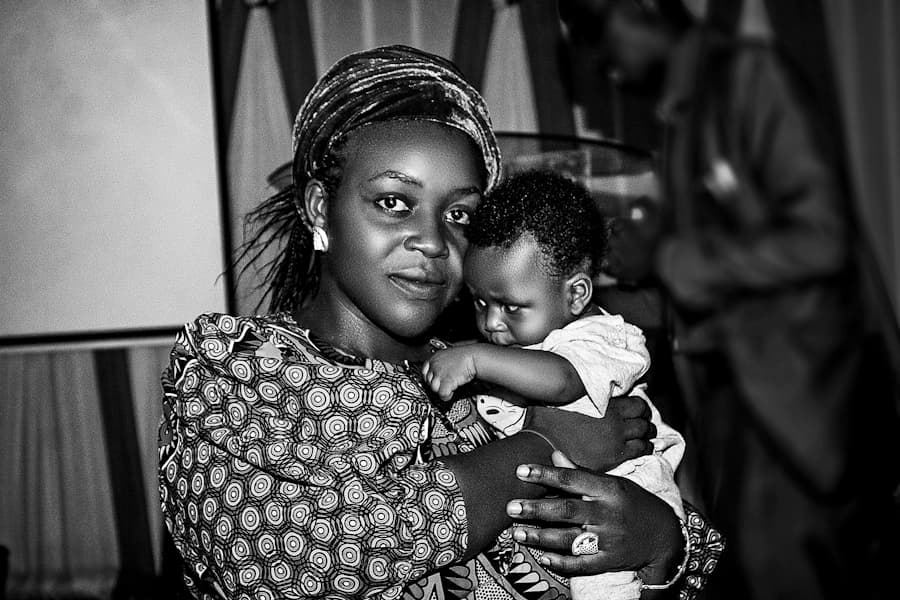
~334,000 newborn deaths annually — 38 every hour
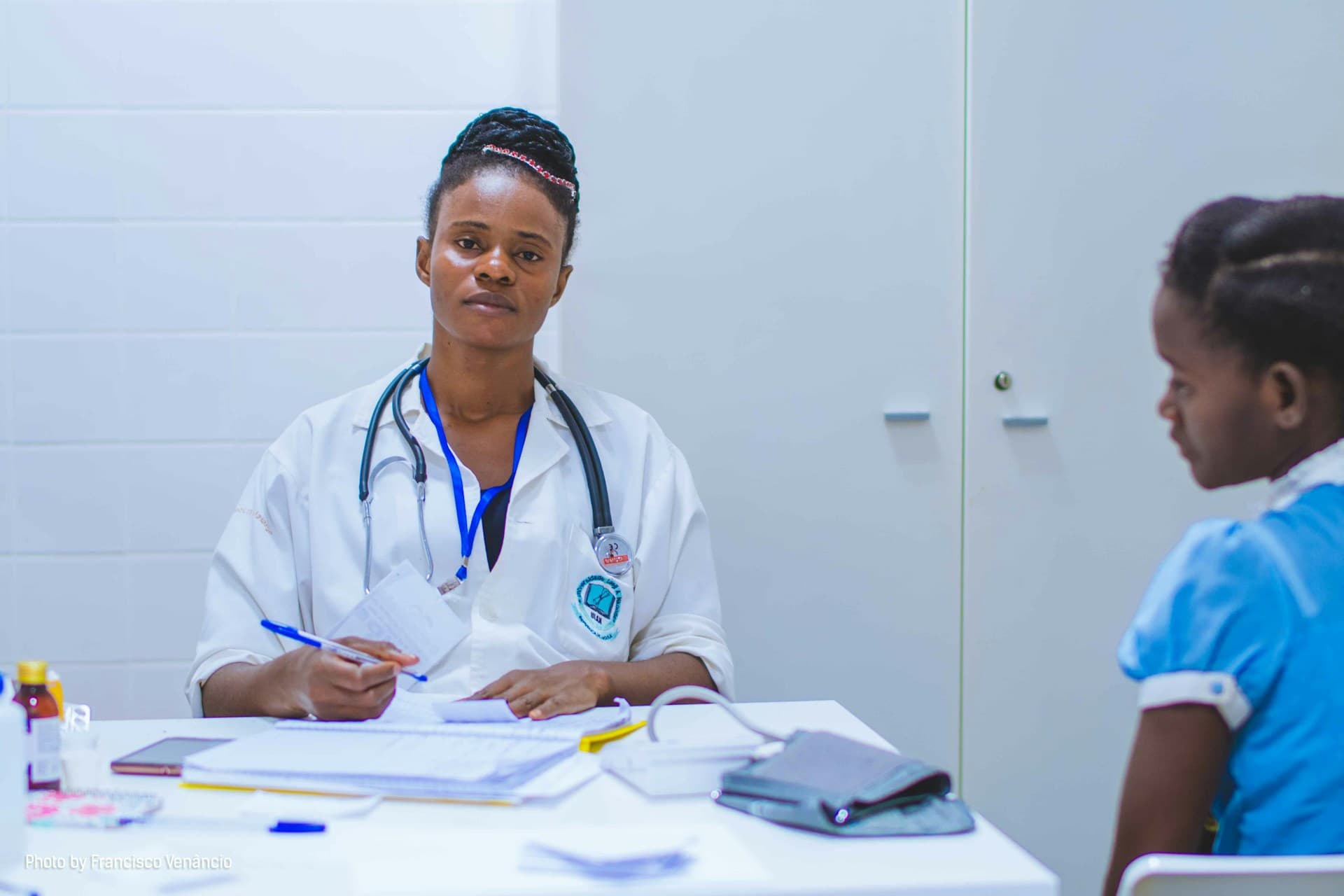
“Every Nigerian woman should have access to a skilled birth attendant during pregnancy, childbirth, and the postnatal period — because no mother or newborn should die from preventable causes.”
The MMRS Vision
Institutional Authority
Leadership Behind MMRS
MMRS is not a standalone initiative. It is implemented by the Nursing & Midwifery Council of Nigeria — the statutory body with the mandate, reach and institutional authority to drive lasting workforce transformation at national scale.
National Regulation
The Nursing & Midwifery Council of Nigeria holds statutory authority for regulating nursing and midwifery education, training and practice across all 36 states and FCT — giving MMRS the institutional credibility to set and enforce national workforce standards.
Workforce Leadership
NMCN leads Nigeria's nursing and midwifery workforce transformation — from deployment and mentorship to professional development and retention. MMRS operationalises this leadership into direct, measurable impact at the primary healthcare level.
National Partnerships
Through partnerships with the Federal Ministry of Health, state governments, NPHCDA, and international development organisations including the EU, UNDP and UNICEF, MMRS aligns with Nigeria's most critical national and global health commitments.
National Impact
Nigeria accounts for one of the world's highest burdens of maternal and newborn mortality. NMCN's decision to lead MMRS reflects a commitment to closing the skilled birth attendance gap — not through donor projects, but through sustained, institutionally-anchored workforce reform.
Programme Aspirations
MMRS Vision & 2029 Strategic Targets
These are bold, measurable goals guiding national action through 2029. Progress is ongoing — each target reflects a commitment to every Nigerian mother and newborn.
10,000+
Licensed Nurses & Midwives Deployed
Nationwide deployment to high-burden maternal & newborn service facilities by 2029, prioritising MAMII PHC Centres and General Hospitals.
40%
Increase in Skilled Birth Attendance
Target increase in skilled birth attendance across all MMRS deployment facilities compared to pre-deployment baseline figures.
70%
Improvement in MNH Quality of Care
Measurable improvement in maternal and newborn health quality indicators in all participating facilities by end of programme.
40%
Improvement in Referral Systems
Strengthened emergency referral pathways and improved access to Emergency Obstetric & Newborn Care (EmONC) from primary facilities.
90%
Midwife Mentorship Coverage
Of all deployed nurses and midwives to receive structured mentorship in EmONC skills and Respectful Maternity Care throughout the scheme.
35%
State-Level Retention Adoption
Target proportion of participating states formally adopting skilled birth attendant retention mechanisms beyond the life of the MMRS scheme.
National Workforce Strategy
Programmes Supporting Nigeria's Nursing & Midwifery Workforce
Through the Nursing & Midwifery Council of Nigeria, MMRS coordinates a suite of interconnected workforce initiatives designed to strengthen skilled healthcare delivery, improve maternal outcomes and build a resilient nursing and midwifery profession.
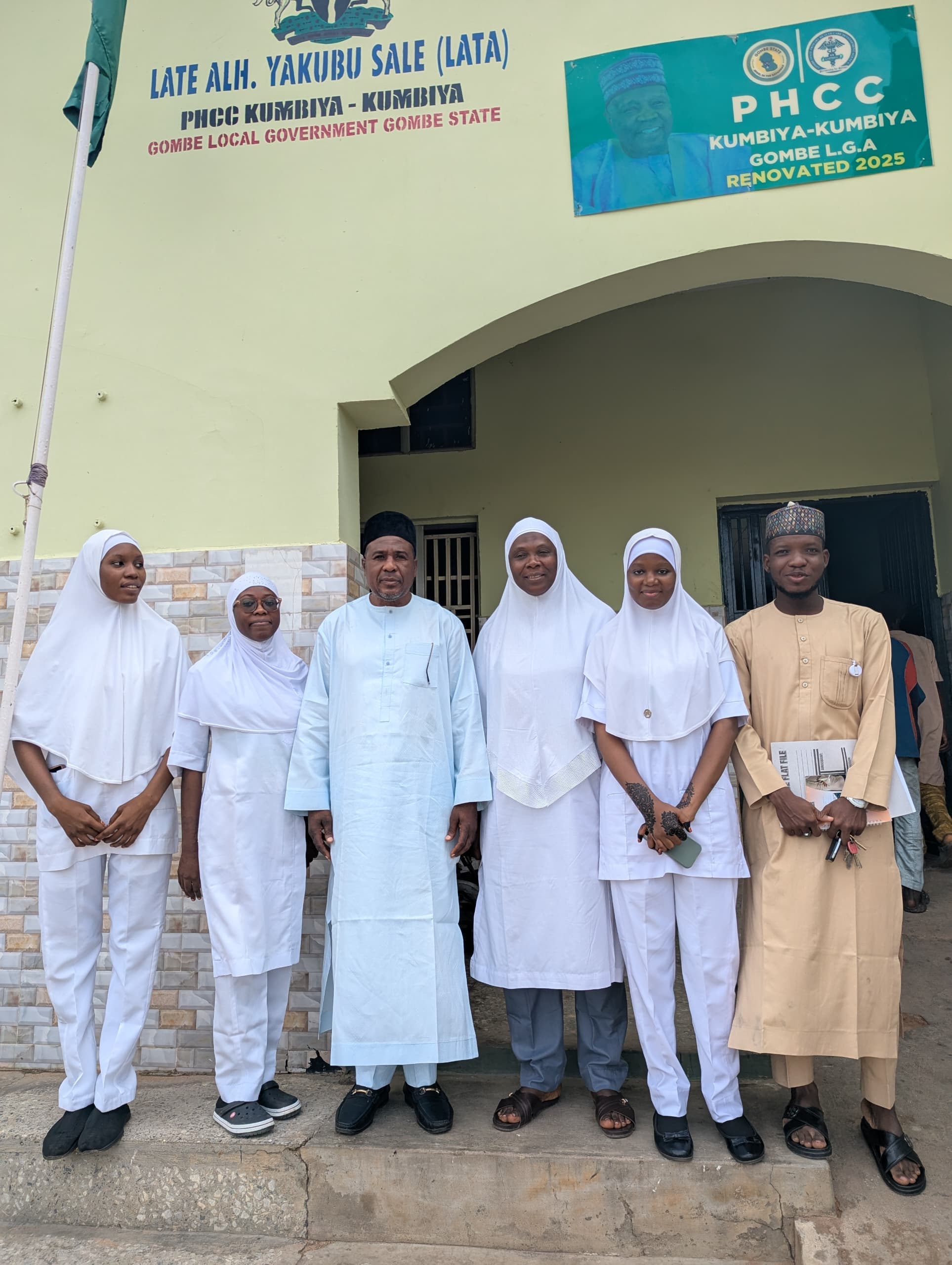
Join the Ecosystem
Whoever You Are, There's a Place for You in MMRS
MMRS connects professionals, employers, and mentors in one national workforce ecosystem — find the path that's right for you.
Policy Alignment
Rooted in Nigeria's National Health Agenda
MMRS is not a standalone intervention. It is strategically designed to support, accelerate and amplify Nigeria's most critical national health commitments — at every level.
Nigeria Health Sector Renewal Investment Initiative
MMRS directly supports PHC strengthening and skilled birth attendant deployment under Nigeria's primary health renewal agenda, contributing to the NHSRII priority of universal access to quality RMNCH services.
Sector-Wide Approach Blueprint
Aligned with the SWAp target of 57% skilled birth attendance by 2028 and national priorities for coordinated RMNCH service delivery and sector-wide accountability.
National Strategic Health Development Plan II
Contributing to NSHDP II workforce targets through strategic deployment, structured mentorship and evidence-based policy advocacy for sustainable retention of nurses and midwives.
RMNCAH+N Investment Case
MMRS operationalises the RMNCAH+N strategy by expanding availability of skilled care at the point of delivery for mothers, newborns, children and adolescents across all geopolitical zones.
Sustainable Development Goals
Directly advancing SDG 3.1 (reduce maternal mortality) and SDG 3.2 (end preventable deaths of newborns and children) through skilled workforce deployment and measurable quality of care improvements.
Sustainable Development Goals Contributed To
Partners & Stakeholders
Working together with leading national and international organisations to mobilise midwives and strengthen maternal healthcare across Nigeria.
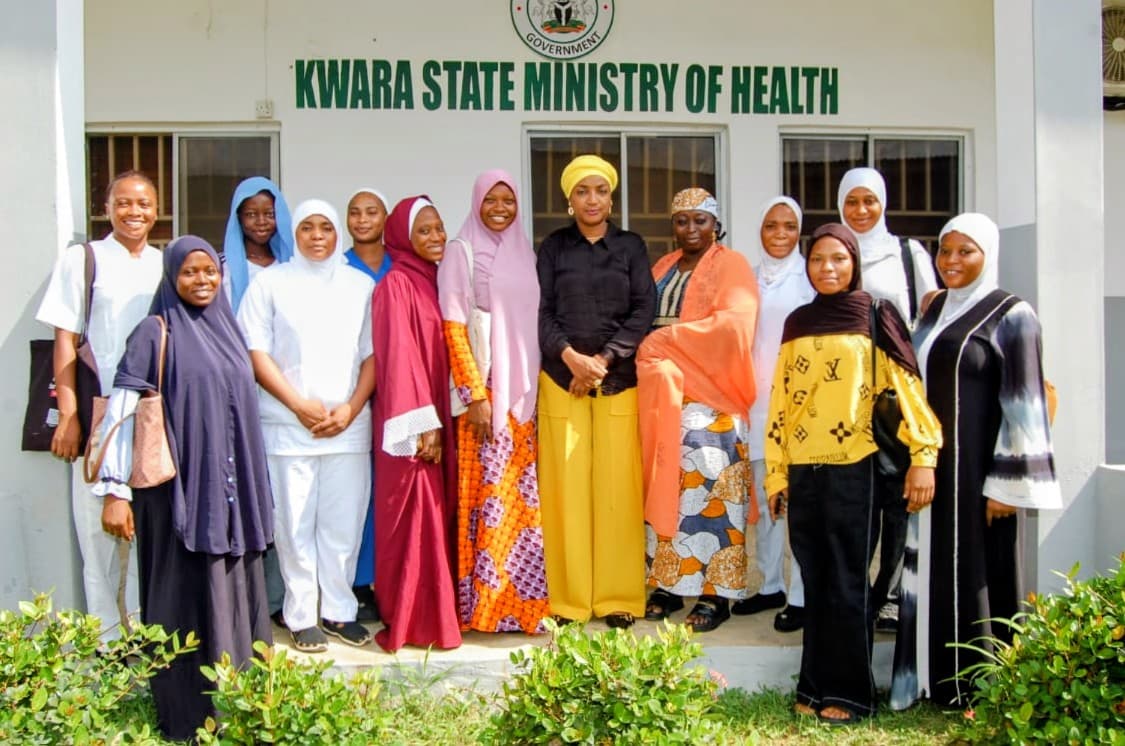
Kwara State Ministry of Health — programme engagement
Primary Partners
Technical & Funding Partners
Implemented by
Nursing & Midwifery Council of NigeriaTechnical Partner
Cyd Sessions
Supporting Nigeria's National Workforce Digital Transformation
Support MMRS
Support Safer Motherhood in Nigeria
Every donation helps strengthen maternal and newborn healthcare by supporting deployed midwives serving communities across Nigeria.
Join the Movement
Together We Can Strengthen Nigeria's Nursing Workforce
Whether you are a healthcare professional, government partner, development organisation or community supporter — your role matters. Join us in building a healthier Nigeria.
36
States
10,000+
Target Deployments
2029
Vision Year